Are you torn between acrylic foam tape and VHB tape for your next high-strength bonding project? You’re not alone, many DIY enthusiasts and professionals alike puzzle over their similarities and differences.
In reality, VHB is 3M’s premium brand of acrylic foam tape, but not all acrylic foam tapes are created equal. This article breaks down the key distinctions in performance, cost, and applications, helping you choose the best option for your needs in straightforward terms.
What is Acrylic Foam Tape?
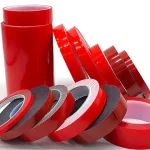
Acrylic foam tape is a high-bond, double-sided adhesive tape made entirely from extruded, foamed acrylic adhesive, forming a single cohesive mass rather than layered components like traditional foam tapes.

It features a foam core with pressure-sensitive adhesive (PSA) on both sides, providing superior bonding strength that rivals liquid adhesives or mechanical fasteners. The all-acrylic construction ensures high resistance to environmental factors such as UV light, moisture, chemicals, and temperature extremes. It’s often available with a release liner for easy application and can be custom-cut for specific needs. (Reade more: What is Acrylic Foam Tape?)
What is 3M VHB Tape?
3M VHB (Very High Bond) Tape is a premium brand of acrylic foam tape invented by 3M in 1980, designed for permanent bonding without mechanical fasteners like rivets or screws. It consists of an acrylic foam core coated with high-performance acrylic PSA on both sides, making it viscoelastic. This means it combines viscosity (flow) and elasticity to absorb shocks, vibrations, and dynamic loads while maintaining strength.

VHB™ Tape come in various families and thicknesses (e.g., up to 0.138 inches in newer models), tailored for specific substrates like metals, glass, plastics, and painted surfaces. Over time, the bond strengthens, reaching 90% in 72 hours, and it’s resistant to temperatures up to 450°F, UV, and chemicals.
Although 3M was the originator, other brands now offer “VHB-like” acrylic foam tapes. Consequently, acrylic foam tapes produced by these other manufacturers can serve as replacements for certain 3M VHB™ tape models.
Similarities Between Acrylic Foam Tape and VHB™ Tape
Both acrylic foam tape and 3M™ VHB™ Tape share a core composition: an all-acrylic foam structure with PSA adhesives, providing viscoelastic properties for conforming to surfaces and absorbing vibrations. They offer permanent, high-strength bonding that replaces traditional fasteners, with excellent resistance to environmental degradation like moisture, UV, and temperature cycling.
Both types distribute stress evenly across the bond line, bond dissimilar materials (e.g., metal to plastic) without galvanic corrosion, and are suitable for indoor/outdoor use. They also provide aesthetic benefits by creating invisible, seamless bonds and are applied via pressure without tools or mess.
In essence, VHB™ Tape is a specialized subset of acrylic foam tapes, with many generic versions mimicking its features.
Key Differences Between Acrylic Foam Tape and VHB™ Tape
While similar, differences arise in branding, specialization, and metrics. Here’s a comparison:
| Feature | Acrylic Foam Tape | VHB™ Tape |
|---|---|---|
| Brand | Various manufacturers | 3M trademarked |
| Bond Strength | High (peel: 30-40 N/cm; varies by product) | Very high (peel: up to 45 N/cm; shear: up to 57 lbs/sq.in) |
| Temperature Resistance | Good (up to 200°C; depends on product) | Excellent (up to 450°F in some versions) |
| Durability/UV Resistance | Strong, but varies (20-30 years typical) | Superior (40+ years; better vibration damping) |
| Cost | Affordable ($5-15 per 36-yard roll) | Premium ($20-50 per similar roll; 2-5x more expensive) |
| Thickness Range | 0.15-2.0 mm | Broader (0.25-3.5 mm) |
VHB™ Tape excels in heavy-duty, high-temperature, and low-surface-energy (LSE) bonding without primers, while generics may require primers and suit less demanding tasks.
Common Applications and Use Cases
Acrylic foam tapes are versatile for solar panels, outdoor signage, data centers, tracking devices, and automation equipment, where weather resistance and conformability are key. 3M VHB shines in heavy-duty scenarios like automotive (EV batteries, emblems), construction (curtain walls, windows), electronics (TV screens), signage, aerospace, and rail cars, handling dynamic loads and extremes. (Read more: 6 Key Applications of Acrylic Foam Tape in EV Charging Stations >>)
Both are used in electronics and construction, but VHB is preferred for non-structural, long-term bonds in transportation and appliances. Avoid either for heavy unsupported loads or fuel immersion.
| Application | Acrylic Foam Tape | 3M™ VHB™ Tape |
|---|---|---|
| Automotive | General trim attachment | EV batteries, emblems |
| Construction | Signage, panels | Curtain walls, skylights |
| Electronics | Circuit boards | TV screens, devices |
| Outdoor/Industrial | Solar panels, tracking | Rail cars, aerospace |
Pros and Cons of Each Tape Type
Acrylic Foam Tape
- Pros: Affordable, highly conformable to irregular surfaces, resistant to environmental factors, easy application, and strong for mid-range tasks.
- Cons: May require primers for LSE surfaces, lower heat/peel strength, and potential quality variability from lesser brands.
3M™ VHB™ Tape
- Pros: Exceptional strength and durability, wide variant range, excellent LSE bonding, long-term UV resistance (40+ years), and proven in high-stakes projects.
- Cons: Higher cost, thicker options may be overkill for simple tasks, and bonds can fail if surfaces aren’t prepared (e.g., oil residue).
Choosing the Right Tape: Factors to Consider
Making the right choice for your acrylic foam tape depends on your specific application needs.
For demanding situations requiring superior strength and unwavering reliability, such as heavy-duty projects, bonding Low Surface Energy (LSE) materials, or applications in extreme environments, 3M™ VHB™ Tape is the recommended option.

However, if you’re working on cost-sensitive projects or tasks that require precision, like in electronics assembly or packaging, a generic acrylic foam tape might be a more economical and effective choice.
When making your decision, always consider these critical factors:
- Substrate Material: The types of surfaces you are joining (e.g., metals, plastics).
- Environmental Exposure: Such as temperature fluctuations or UV radiation.
- Type of Load: Whether the bond will experience dynamic (movement) or static (constant) stress.
- Your Budget: The financial constraints for the project.
- Required Thickness: The necessary tape thickness for effective bonding.
It’s highly recommended to test samples and consult with tape manufacturers to ensure you achieve the optimal match for your application.
Application Tips and Best Practices
Beyond selecting the correct tape, how you apply acrylic foam tape is crucial for achieving the best possible bonding results. Following precise application steps ensures optimal adhesion and durability.

- Clean Surfaces First: Thoroughly clean all surfaces to remove dust, oil, and any other contaminants. This is crucial for maximum adhesion.
- Apply in Ideal Conditions: Apply the tape when temperatures are above 50°F (10°C).
- Apply Firm Pressure: Use firm, consistent pressure (like 15 psi for 15 seconds) to activate the Pressure Sensitive Adhesive (PSA) and ensure no air bubbles are trapped.
- Sequential Liner Removal: Peel off the liners one at a time as you apply the tape.
- Allow for Full Strength: Let the bond cure for at least 72 hours to reach its maximum strength.
Important Considerations:
- Cold Environments: If working in cold conditions, look for heat-activated tape variants.
- Avoid Bad Surfaces: Never apply tape to dirty or wet surfaces.
- Test First: Always test on a small, inconspicuous area before full application.
Pro Tip: For larger applications, use a roller to ensure even pressure across the entire surface.
Related Questions
Is VHB™ Tape Just Another Name for Acrylic Foam Tape?
Yes, in essence, VHB (Very High Bond) is a brand name for a specific line of high-performance acrylic foam tapes manufactured by 3M. When people refer to VHB tape, they are usually talking about a type of acrylic foam tape known for its exceptional strength and durability.
Think of it like this: all VHB tapes are acrylic foam tapes, but not all acrylic foam tapes are VHB.
What Are Some Brands of Acrylic Foam Tapes That Can Rival 3M VHB™ Tapes?
While 3M VHB™ tapes are well-known, several other reputable brands offer high-performance acrylic foam tapes that provide comparable bonding solutions. These include Tesa’s ACXplus series, Saint-Gobain’s high-performance tapes, XFasten Extreme Heavy-Duty, and Gorilla Tape for heavy-duty alternatives.
These brands are recognized for their long-lasting, strong adhesion capabilities, making them suitable for demanding industrial applications where high strength and environmental resistance are crucial.
What Are The Cost Differences between Acrylic Foam Tape and VHB™ Tape?
VHB™ Tape generally cost more than standard acrylic foam tapes but offer greater long-term benefits in strength and durability.
For example, a 36-yard roll of generic acrylic foam might range from $5-15, while comparable 3M VHB can cost $20-50, depending on thickness and variants. Generics provide better value for everyday use, while VHB justifies the premium for critical applications.
Conclusion
Acrylic foam tape and 3M™ VHB™ Tape are both excellent options for high-strength bonding without tools. While VHB™ Tape often stands out as the stronger, pricier choice for the most demanding jobs, regular acrylic foam tapes offer a more affordable alternative for everyday needs.
At TOPKING Tapes, we provide a range of high-performance acrylic foam tapes that serve as reliable alternatives to 3M VHB™ tapes for various applications. By carefully considering your project’s specific requirements, you can select the right tape, whether from premium brands or cost-effective solutions like ours, to achieve dependable and lasting results.