Introduction
When it comes to die cutting EVA foam, manufacturers face unique challenges that require specialized knowledge and techniques. EVA (Ethylene Vinyl Acetate) foam has become the go-to material for packaging, insulation, and protective applications due to its excellent cushioning, shock absorption, thermal insulation, moisture resistance, and chemical corrosion resistance properties.
This article explores the critical aspects of EVA foam processing and provides professional solutions to overcome the most common manufacturing challenges.
What is Die Cutting EVA Foam?
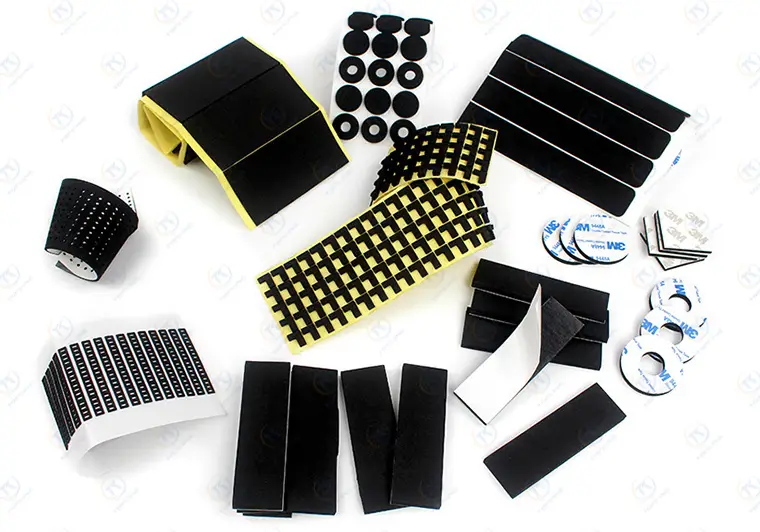
Die cutting EVA foam refers to the process of cutting EVA foam materials into precise shapes and sizes using various cutting methods. EVA foam die cutting process is essential for creating custom foam solutions across multiple industries, from electronics packaging to automotive applications.
Key Properties of EVA Foam for Die Cutting
EVA foam presents unique characteristics that impact the die cutting process:
- Thickness Range: Typically 1-2mm, with capabilities up to 5mm for specialized applications.
- Elasticity: Moderate flexibility with low elastic limits.
- Foam Structure: Cellular construction that can generate dust during cutting.
- Compression Resistance: Tendency to deform under pressure.
- Low Toughness: Makes precision cutting challenging.
4 Primary EVA Foam Cutting Techniques
Several methods are employed for EVA foam die cutting. Each technique offers distinct advantages and limitations that directly impact production efficiency, quality, and cost-effectiveness.
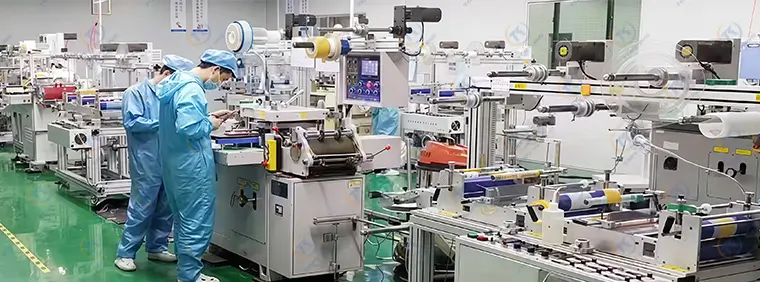
CNC Cutting Machines
CNC foam cutting is ideal for standard rectangular products, offering:
- Computer-controlled graphic conversion.
- Simulated cutting path optimization.
- Exceptional cutting precision for geometric shapes.
- Limitation: Cannot handle complex custom shapes.
Die Cutting Press (Traditional Method)
The conventional eva foam die cutting method involves:
- Process: Creating steel rule dies for punch press operations.
- Capacity: Primary method for materials 0-30mm thick.
- Challenge: Materials exceeding 30mm thickness often experience deformation and beveled edges that many customers find unacceptable.
CNC Router/Engraving
Specialized eva foam cutting techniques for:
- Application: EVA foam inserts requiring kiss cutting or through cutting.
- Equipment: Multi-head CNC routers (1-to-4, 1-to-6 configurations).
- Drawbacks: Slow processing speeds, high noise levels, excessive dust generation.
Oscillating Knife Cutting (Recommended)
The most advanced eva foam manufacturing solution:
- Technology: High-amplitude oscillating knife systems for 0-100mm thick materials.
- Versatility: Handles both geometric and custom eva foam cutting projects.
- Advantages:
- No expensive die tooling required.
- Eliminates beveled edge problems.
- Zero debris production.
- Optional spindle attachment for small hole drilling.
- Environmentally friendly process.
3 Critical Die Cutting EVA Foam Challenges
Die cutting eva foam presents three major operational headaches: angled edges, dust, and difficult waste removal.
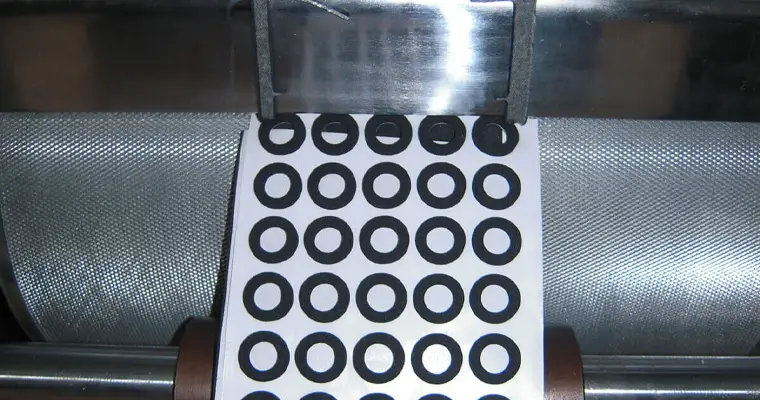
Here’s how to solve them:
Challenge 1: Beveled Edges in Foam Die Cutting
High foam thickness combined with compression during cutting creates surface deformation, particularly severe with rotary die cutting. This issue becomes especially problematic when manufacturers need precise, clean edges for their applications.
Professional Solutions for Edge Control:
Tool optimization is the first line of defense against beveled edges. Replace double-bevel cutting tools with single-edge knives and implement inside-straight, outside-angled cutting geometry to significantly reduce eva foam edge beveling.
For process engineering, the approach varies by product complexity. Simple structures benefit from strip cutting, edge separation, and jump cutting techniques that minimize deformation factors. Complex geometries require knife line decomposition, avoiding closed cutting paths with overlapping multi-wire patterns to minimize compression stress throughout the cutting process.
Challenge 2: Debris and Dust Generation
Low foam toughness and cellular structure cause particle generation during repetitive tool action, creating airborne contamination that can compromise product quality and work environment safety.
Effective Contamination Control:
Two primary methods address dust generation effectively. Release agent application provides a standard approach for general cutting operations, creating a barrier that reduces particle creation. The industry-standard method involves OPP protective film lamination on the foam surface, though this increases material waste but ensures cleaner cutting operations.
Challenge 3: Waste Removal Difficulties
Thick EVA foam combined with small hole diameters creates significant extraction challenges during the custom eva foam cutting process. Traditional methods often fall short when dealing with precision applications.
Traditional Methods and Their Limitations:
Ejector pin systems use external fixture installations for waste ejection, but poor operation can scratch foam surfaces, causing product defects. Extraction blade methods, common for rotary cutting operations, prove ineffective for thick materials with small apertures.
The Ultimate Solution: Asynchronous Processing
Asynchronous processing represents the most sophisticated approach to eva foam precision cutting, offering simultaneous solutions to all three primary challenges through advanced manufacturing techniques.
This industrial foam cutting technique involves separating the upper layer material with an asynchronous feeding system while maintaining synchronized die cutting operation for the lower layer material. The foam and backing film undergo separate feeding operations, creating optimal conditions for precision cutting.
Comprehensive Benefits of Asynchronous Processing
The asynchronous operation process offers a powerful, integrated solution to the primary issues in die cutting eva foam:
- Material Savings: Not only does it conserve EVA foam, but it also optimizes the use of other materials involved.
- Automatic Waste Removal: As the upper material strip is collected, the outer frame of the EVA foam waste is simultaneously removed with it, automating the waste disposal process.
- Improved Edge Quality: The inherent stress distribution during the asynchronous feed significantly mitigates the angled edge problem.
- Enhanced Dust Control: This streamlined process effectively manages and contains the dust generated, leading to a cleaner workspace and product.
Die Cut EVA Foam Applications and Tolerances
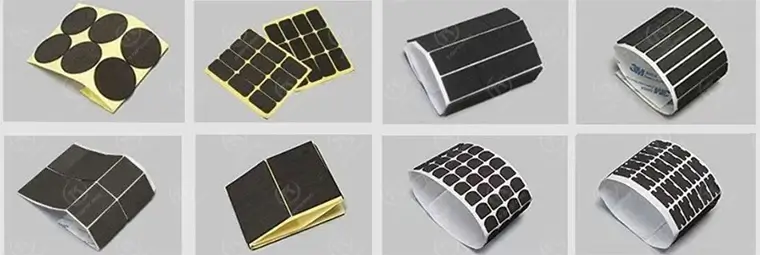
Die cutting EVA foam serves diverse industries requiring:
- EVA foam gaskets for sealing applications.
- EVA foam inserts for protective packaging.
- Custom shapes with foam cutting tolerances of ±0.1mm.
- EVA foam thickness options from 1mm to 100mm depending on cutting method.
Choosing the Right EVA Foam Cutting Method
When selecting eva foam cutting techniques, consider:
- Volume requirements: High-volume production favors die cutting; prototypes suit CNC methods.
- Complexity: Simple geometries work with traditional methods; complex shapes require oscillating knife systems.
- Thickness: Standard die cutting for <30mm; specialized methods for thicker materials.
- Quality requirements: Precision applications demand asynchronous processing.
- Environmental concerns: Dust-sensitive environments require advanced cutting methods.
Conclusion
Mastering die cutting EVA foam requires comprehensive understanding of material properties, cutting technologies, and process optimization strategies. Advanced processing techniques have become essential for achieving competitive manufacturing results.
TOPKING, as a professional adhesive eva foam tape manufacturer, combines deep material knowledge with advanced processing capabilities to deliver superior die cutting EVA foam solutions across diverse industrial applications, ranging from electronics to automotive manufacturing.