Acrylic foam tape has rapidly become an indispensable adhesive solution across a multitude of industries due to its exceptional bonding strength, flexibility, and robust environmental resistance. This article aims to provide a comprehensive guide to understanding acrylic foam tape, examining its unique composition, diverse types, wide-ranging applications, significant advantages, and important limitations, offering a complete overview for businesses seeking optimal adhesive solutions.
What is Acrylic Foam Tape?
Acrylic foam tape is a specialized adhesive tape characterized by a robust foam substrate, an effective adhesive, and a protective release liner. This combination makes it a vital component in various industries, including automotive, electronics, construction, and signage. Known for its exceptional bonding capabilities, acrylic foam tape adheres effectively to a wide range of surfaces, such as metals, glass, and plastics, while providing cushioning, insulation, and vibration dampening properties. Its versatility has led to its adoption as an alternative to traditional fastening methods like screws and rivets, offering a cleaner aesthetic and ease of application.
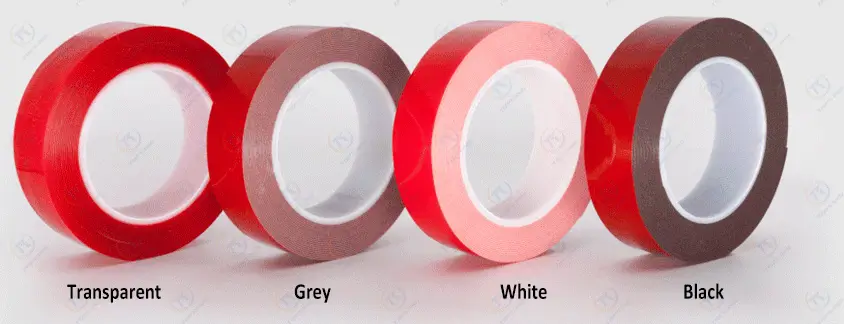
The construction of acrylic foam tape includes a closed-cell foam core that enhances durability and performance under demanding conditions. This design contributes to its resistance to temperature variations, UV exposure, and moisture, ensuring long-lasting bonds even in extreme environments. Different types of acrylic foam tape can be custom-made for specific applications, ranging from high-performance variants for rigorous use in automotive and construction to repositionable options that allow for easy adjustments without residue.
Notably, acrylic foam tape has become increasingly relevant in sustainable development efforts, as manufacturers innovate to create products with lower environmental impacts, including recyclable materials and reduced volatile organic compounds (VOCs). However, concerns exist regarding its recyclability and potential health risks, including warnings related to cancer and reproductive harm. As acrylic foam tape continues to evolve, its growing applications underscore the importance of selecting certified products to ensure optimal performance and safety in various projects.
What is the Composition of Acrylic Foam Tape?
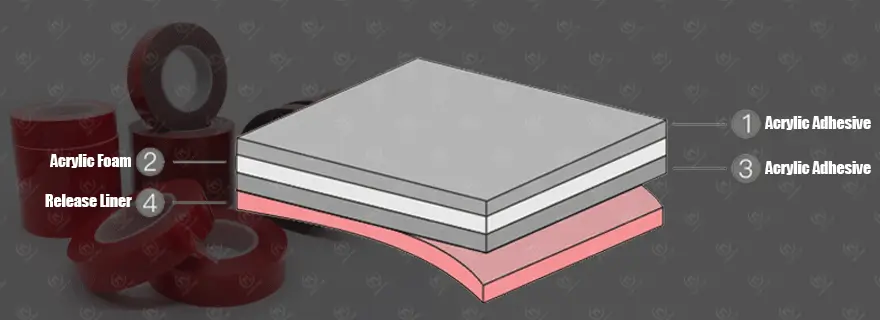
Acrylic foam tape consists of three primary components: a foam substrate, adhesive, and a release liner. The foam substrate is typically made from closed-cell acrylic foam, which provides excellent cushioning and insulation properties while also allowing the tape to conform to uneven surfaces for secure bonding.
Foam Substrate
The closed-cell foam structure contributes to the tape’s durability and performance characteristics. It exhibits high temperature resistance, making it suitable for long-term applications in demanding environments. The foam is designed to be flexible, which helps in absorbing shocks and vibrations, thereby enhancing the overall adhesion to various materials.
The foam’s unique cell structure is crucial for its performance. The cells formed during manufacturing are stable and uniform, which helps in achieving a more satisfactory appearance and better adhesion properties compared to prior art techniques. This stability allows for the reduction of surfactants required to achieve an equivalent appearance, contributing to the overall efficiency and cost-effectiveness of the foam tape production process.
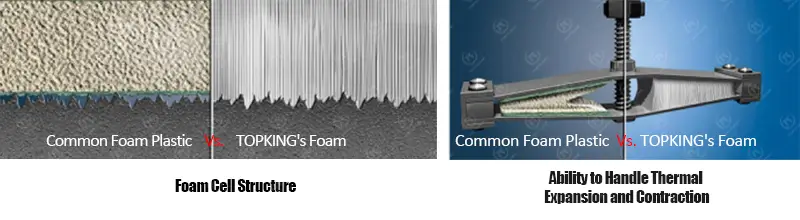
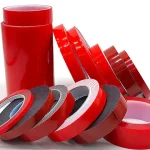
The acrylic foam tape provided by TOPKING features a sealed foam structure where each bubble is independent, effectively blocking moisture with a fully closed-cell design.
Adhesive
The adhesive used in acrylic foam tape is formulated to bond effectively to a wide range of surfaces, including metals, glass, plastics, and painted materials. This versatility enables its use across multiple industries such as automotive, construction, and electronics. Notably, acrylic adhesives provide strong initial tack and long-lasting bond strength, performing reliably in extreme conditions with a broad temperature range.
Release Liner
The release liner serves to protect the adhesive prior to application, ensuring that it remains uncontaminated. It is designed to be easily removed when the tape is ready to be applied, allowing for simple handling and efficient application. The release liner can be release paper or release film and its colors can be custom-made. But most of the release liner is red PE release film.
What are the Different Types of Acrylic Foam Tape?
Acrylic foam tapes (AFT) can be categorized from several dimensions, with the most common classification methods including:
Classification by Color
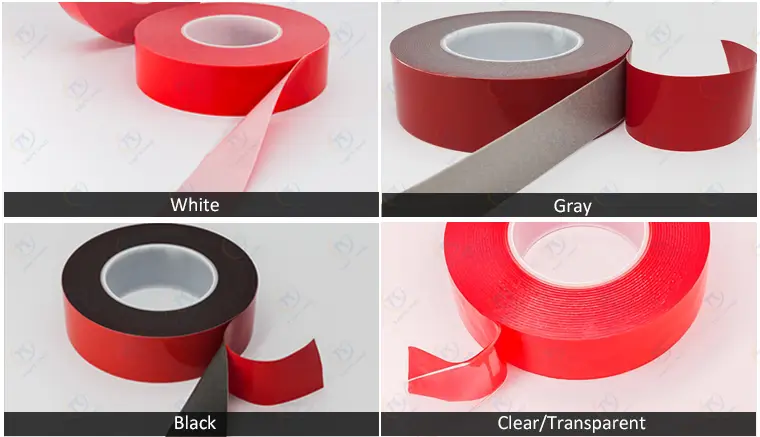
- Transparent/Clear AFT: A very common type, typically used where an invisible bonding effect is required, such as glass curtain walls, display windows of electronic products, or securing transparent panels. It helps maintain a clean and aesthetic design.
- Gray AFT: One of the most prevalent colors, especially widely used in the automotive industry. Gray often provides good contrast or blends well with many material colors and offers good light-blocking properties.
- Black AFT: Common in automotive exterior parts, electronic products, building curtain walls, etc., providing excellent light-blocking and UV resistance, and blending better with black or dark substrates.
- White AFT: Often used for bonding internal components of home appliances, electronics, or white panels, providing a clean and neat visual effect.
- Other Colors: Certain special applications may require AFT in specific colors.
Please note that the color mentioned here refers to the foam’s color, not the release liner’s color.
Classification by Foam Density/Foaming Structure
- Standard Density AFT: Suitable for most general applications.
- High Density AFT: Offers higher strength and rigidity, suitable for applications requiring greater loads or higher stiffness.
- Low Density AFT: Softer, with better conformability, suitable for uneven surfaces or applications requiring stronger shock absorption.
- Micro-Cellular/Fine-Cell Structure: Smaller, more uniform cells typically result in superior cohesive strength and adhesive performance, as well as better stress dissipation capabilities.
Classification by Thickness
- Ultra-Thin AFT: Typically refers to thicknesses like 0.2mm, 0.25mm, 0.3mm, 0.4mm, primarily used for narrow bezels and slim designs in electronic products, as well as other space-constrained applications.
- Standard Thickness AFT: Typically refers to thicknesses like 0.5mm, 0.64mm, 0.8mm, 1.0mm, 1.1mm, 1.2mm, which is the most widely used range.
- Thick AFT: Typically refers to 1.5mm, 2.0mm, 3.0mm, or even thicker, used for applications requiring filling larger gaps, providing stronger shock absorption, or enhanced sound insulation.
Classification by Adhesion Performance/Application Scenarios
- General Purpose AFT: Suitable for bonding most common materials, offering balanced performance.
- AFT for Low Surface Energy (LSE) Materials: Optimized for difficult-to-bond plastic surfaces like PP and PE, providing strong adhesion.
- High Strength Structural Bonding AFT: Specifically designed to withstand high dynamic loads and structural stresses, such as automotive exterior parts and architectural curtain walls.
- Removable/Reworkable AFT: Allows for removal or adjustment within a certain period or under specific conditions, without leaving residue or damaging surfaces.
- High Temperature Resistant AFT: Optimized for high-temperature environments such as ovens or engine compartments.
- Flame Retardant AFT: Complies with specific fire safety standards, such as DIN EN 45545 for the transportation sector.
- Plasticizer Resistant AFT: Effectively resists the migration of plasticizers from plastic materials, preventing bond failure.
- Electrically Conductive/Thermally Conductive AFT: Contains special fillers to impart electrical or thermal conductivity for specific electronic applications.
Classification by Brand or Series
Different adhesive tape manufacturers (e.g., 3M, Tesa, Nitto, Lohmann, etc.) develop various AFT product series based on their unique formulations and technologies. Each product typically has specific performance characteristics and target applications. For example, 3M’s VHB™ series is a very well-known acrylic foam tape in the market.
These classification dimensions are not mutually exclusive but can be combined. For instance, a product might be described as a “transparent, 0.5mm thick, general-purpose AFT for LSE materials.”
Where is Acrylic Foam Tape Applied?
Acrylic foam tape is a highly versatile material used across various industries, including automotive, electronics, construction, signage and more. They serve various functions, such as bonding exterior trims, cladding panels, and interior components, while also providing weather stripping, insulation gaskets, and vibration dampening solutions.
Automotive
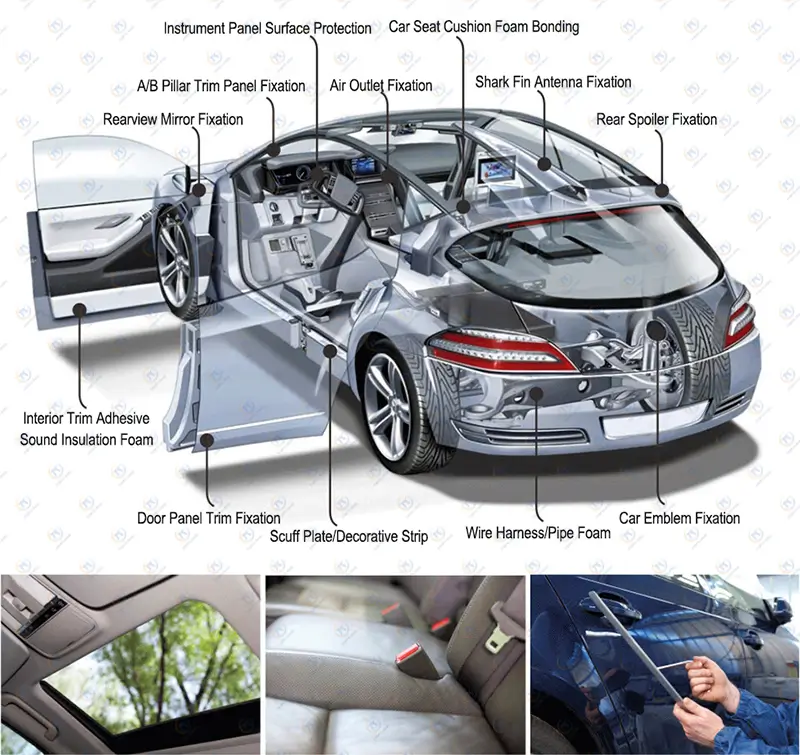
Acrylic foam tape series (e.g., high dynamic load AFT) are suitable for the permanent attachment of exterior trim parts, especially for bonding applications on curved and corner areas of vehicle bodies. In the trend of automotive lightweight design, AFT replaces traditional methods like riveting and welding, effectively reducing body weight, which helps improve fuel efficiency or extend the range of electric vehicles. (Related post: 6 Key Applications of Acrylic Foam Tape in EV Charging Stations>>)
AFT offers strong adhesion to materials with different surface properties, such as automotive exterior parts and clear coats. Throughout the vehicle’s lifespan, the vehicle body and exterior parts often have different thermal expansion rates, which can generate static or dynamic stresses on the bonded areas. The viscoelastic properties of AFT allow for optimal stress dissipation, effectively preventing bond failure due to stress concentration. Furthermore, the product provides waterproof sealing for exterior parts, prevents noise, and withstands extreme weather conditions like intense heat, severe cold, rain, and snow. In the electric vehicle domain, AFT is also widely used in emerging applications such as battery pack module fixation and wire harness routing and fixation.
Electronics
Acrylic foam tape (e.g., ultra-thin AFT) is suitable for bonding touchscreens, display windows, and back panels of electronic products such as mobile phones, tablets, and smart wearables, as well as for securing camera modules, sensors, and thermal modules.
Today, narrow bezel and slim designs are increasingly common in electronic products. Even with minimal bonding areas, AFT maintains excellent adhesive strength, while its superior shock-absorbing properties cushion impacts during drops and collisions, effectively preventing cover glass detachment or breakage. The product is easy to precision die-cut, making it suitable for bonding and securing electronic devices of various sizes, significantly improving the efficiency of automated production lines and reducing rework rates. Simultaneously, AFT also provides excellent waterproof sealing, offering stronger protection for products. (Read more: Acrylic Foam Tape Applications in Smartphone >>)
Construction
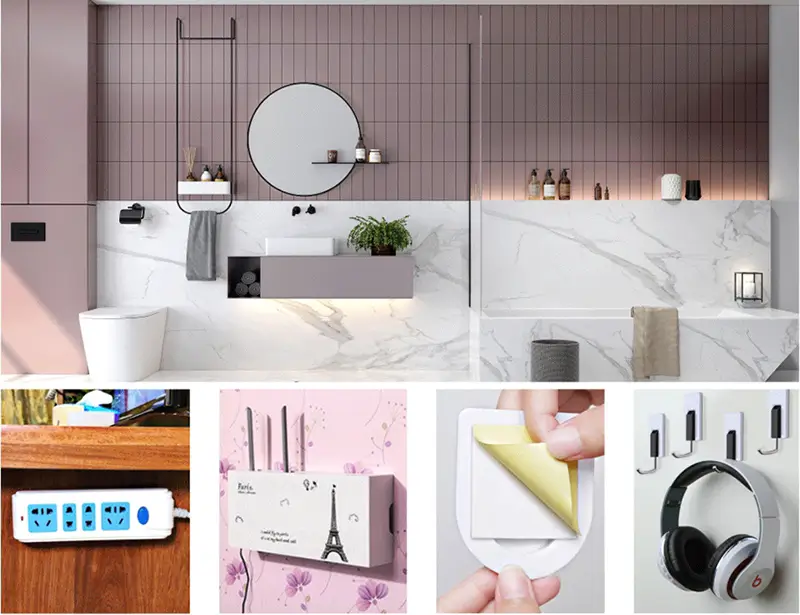
- Glass Partition Wall Bonding: Acrylic Foam Tape perfectly achieves structural bonding between glass panels or between glass and aluminum profiles. The transparent AFT series creates an almost invisible bonding effect for partition walls, offering excellent visual appeal. It is clean and quick to apply, requires no curing time, and can compensate for material tolerances, simplifying construction. Black and white products are also available to meet different design and application requirements.
- Curtain Wall Bonding: Eye-catching building facades can be achieved by covering decorative wall panels. Compared to traditional mechanical fastening methods (e.g., rivets, screws), AFT creates a “cleaner,” more aesthetically pleasing, non-perforated appearance. It also meets the high demands for outdoor weather resistance, UV resistance, and vibration resistance, complying with relevant international industry standards (e.g., ASTM C1184) to ensure long-term bond reliability.
- Interior Wall Covering: Acrylic Foam Tape can quickly and cleanly fix various decorative panels such as ACM panels (aluminum composite panels), acrylic glass panels, HPL panels (high-pressure laminates), mirrors, and wood panels to substrates, rapidly transforming interior decor styles. The tape allows for panel installation without drilling or damaging materials, and requires no curing time, making it particularly suitable for fast-track and modular renovation projects.
- Elevator Stiffener Fixation: Acrylic Foam Tape efficiently and reliably secures stiffeners for elevator door panels and car panels, preventing deformation caused by external forces. In addition to ensuring reliable and durable adhesion, the product is also resistant to vibration and impact, enhancing elevator operation stability and safety.
- Furniture Decorative Panel Fixation: Acrylic glass, wood, glass, and other decorative panels are common in cabinets, wardrobes, and living room furniture. Acrylic Foam Tape can bear a certain weight of these panels, achieving long-lasting and reliable fixation between different materials. It provides an invisible bond and simplifies furniture manufacturing and assembly processes.
Home Appliance
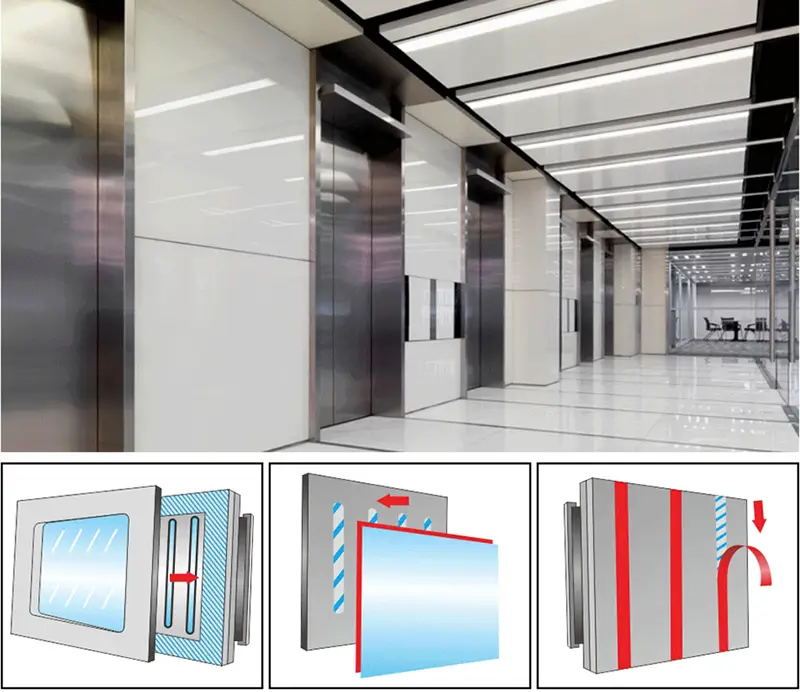
Acrylic foam tape can be used for securing transparent or translucent decorative panels, nameplates, control panels, door handles, and counterweights on home appliances such as refrigerators, ovens, washing machines, and air conditioners. Invisible bonding ensures the aesthetic design of home appliances, enhancing the overall product quality.

Additionally, the foam substrate effectively absorbs vibrations and reduces operating noise, significantly improving the user experience. Its excellent flexibility also makes it suitable for bonding curved surfaces with a certain radius. Even on low surface energy surfaces like plastics, it achieves high adhesive strength, ensuring the long-term reliability of home appliance products in complex environments involving humidity and temperature fluctuations.
New Energy Sector
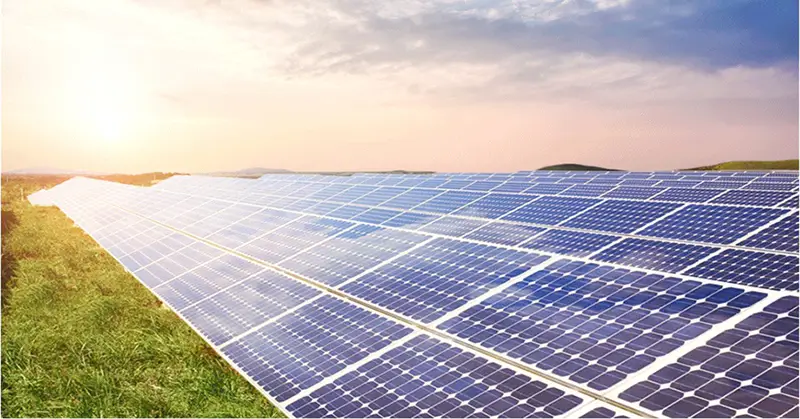
- Solar Applications: Acrylic Foam Tape can address various demanding structural bonding applications in the solar industry, such as solar module back rails, concentrators, daylight reflectors, junction box sealing, and frame fixation. It maintains a clean working environment during bonding, enables quick application without drying or curing, and provides a reliable, efficient production process. AFT’s excellent weatherability, UV resistance, and high-temperature/humidity resistance ensure the long-term stable operation of solar equipment in extreme outdoor environments.
- Wind Turbine Blade Applications: In wind turbine blade design, external components such as vortex generators or serrated trailing edges optimize turbine performance. Compared to liquid adhesives, using Acrylic Foam Tape to bond these external components significantly reduces assembly time, optimizes the blade manufacturing process, and reduces VOC emissions, improving the working environment. The tape provides high adhesive strength, excellent stress dissipation, and superb weatherability, ensuring the structural integrity of blades under high-speed rotation and adverse weather conditions.
Transportation
Acrylic foam tape effectively addresses component assembly challenges in the ceilings, walls, and floors of high-speed trains, bullet trains, or aircraft, as well as for securing interior panels, luggage racks, seat structures, and floor coverings. AFT enables efficient and reliable fixation, and its viscoelasticity helps absorb vibrations, providing a more comfortable ride. Crucially, it complies with the stringent DIN EN 45545 fire safety ratings (HL1-HL3) for “aluminum – tape – aluminum” sandwich structures. Nearly all projects within high-speed trains, bullet trains, or aircraft now require compliance with DIN EN 45545 fire ratings, making the use of certified fire-resistant AFT materials essential for ensuring safety in railway and aerospace applications. AFT also contributes to the lightweighting of these vehicles, enhancing energy efficiency.
Medical Field
In the medical field, acrylic foam tape enhances the efficacy of infectious disease containment (IDC) equipment. It can be used to pad, seal, and insulate items such as splash guards and face masks, ensuring a proper seal to prevent contamination.
Key Advantages of Acrylic Foam Tape
Acrylic foam tape offers numerous advantages that make it a preferred choice for various industrial applications.
Superior Adhesion and Versatility
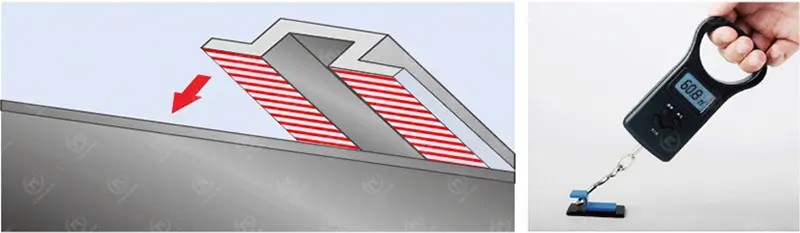
One of the primary benefits of AFT is its strong adhesion to a wide range of surfaces, including metal, plastic, and glass, allowing it to bond dissimilar materials effectively. This versatility makes it an excellent alternative to traditional mechanical fasteners, as it can create a reliable bond without the need for drilling or additional hardware.
Durability and Environmental Resistance
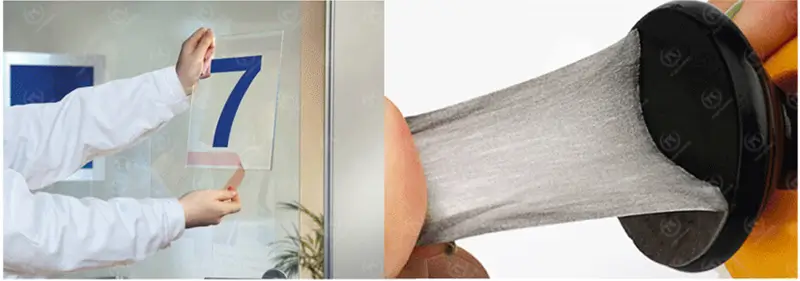
In addition to its adhesion capabilities, AFT exhibits excellent resistance to UV, weather, and chemical degradation. This durability ensures that the tape maintains its performance even under harsh environmental conditions, contributing to the longevity of the bond it creates. Moreover, AFT’s high peel strength, shear strength, and adhesive strength make it suitable for demanding applications where reliability is crucial.
Vibration Dampening and Noise Reduction
Acrylic foam tape also provides effective vibration dampening and noise reduction properties. This characteristic is particularly valuable in industries such as automotive manufacturing, where minimizing noise and vibration is essential for consumer satisfaction. The tape’s ability to absorb vibrations helps prevent mechanical fasteners from loosening over time, enhancing the overall durability of the assembly.
Thermal Insulation and Moisture Resistance
Furthermore, AFT contributes to thermal insulation, making it beneficial for applications that require temperature regulation. Its low water absorption and humidity resistance properties also ensure that it can withstand moisture without compromising its adhesive qualities.
Limitations and Considerations of Acrylic Foam Tape
Acrylic foam tape, while versatile and widely used in various applications, does have certain limitations that users should consider.
Temperature Sensitivity for Optimal Performance
The performance of acrylic foam tape is influenced by temperature conditions. Ideal application temperatures range between 70°F and 100°F (21°C and 38°C). Applying the tape in environments below 50°F (10°C) may lead to inadequate adhesion. Furthermore, although the tape can resist certain environmental conditions, prolonged exposure to extreme temperatures can affect its performance over time, particularly if not properly cured.
Surface Compatibility: Where it Excels and Where it Doesn’t
One major limitation of acrylic foam tape is its reduced adhesion effectiveness on certain surfaces. For instance, it is not recommended for use on litchi-pattern surfaces, peeling or rough surfaces, or silicone materials, as these can hinder the tape’s ability to bond effectively. Additionally, when applied to porous materials such as wallpapers, fabrics, textured walls, or bricks, the adhesive strength may significantly decrease, potentially compromising the integrity of the bond.
Load-Bearing Capabilities and Curing Time
While acrylic foam tape is capable of accommodating a variety of light to heavy-duty applications, it has specific load-bearing limits. The tape can hold up to 3 pounds per 2 inches of adhesive area; however, the greater the adhesive area used, the higher the load-bearing capacity. Users are advised to allow a curing period of 48-72 hours for maximum bond strength, during which time the tape should not bear weight.
Durability Factors: Humidity and Chemical Exposure
Even though acrylic foam tape is designed for strong adhesion and environmental resistance, factors such as humidity and exposure to chemicals can affect its durability. It may not perform optimally in very humid environments or when in contact with cleaning agents.
Important Safety Warnings
It is also important to note that acrylic foam tape may carry warnings regarding cancer and reproductive harm, as outlined by regulatory bodies. Users should be aware of these warnings and take appropriate precautions during application and handling.
Environmental Impact and Sustainability
Acrylic foam tape is increasingly recognized for its potential environmental benefits, particularly in the context of sustainable development and green manufacturing practices.
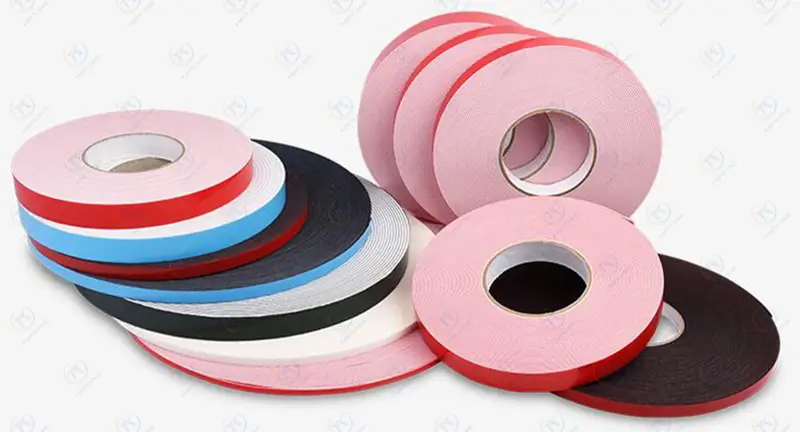
Driving Sustainable Development
The adhesive technology behind acrylic foam tape is evolving to meet sustainability challenges. It provides high-performance bonding solutions while minimizing environmental impact. This advancement is crucial in various industries, including automotive, construction, and electronics, where it serves as a lightweight and efficient adhesive solution, enhancing energy conservation and structural integrity. In the automotive sector, particularly with the rise of electric vehicles (EVs), the application of acrylic foam tape is becoming essential. It plays a pivotal role in optimizing battery pack designs, allowing for lighter constructions that contribute to improved vehicle range and energy efficiency.
Contributions to Energy Efficiency and Green Building
Acrylic foam tape also has significant applications in construction, particularly for energy-efficient buildings. It acts as a sealing material that prevents air, moisture, and noise penetration, ultimately improving insulation and reducing energy consumption in modern architecture. The material’s resistance to harsh environmental factors ensures that it maintains its performance over time, contributing to the longevity and sustainability of building projects.
Recyclability and Waste Management Insights
Despite its many advantages, the recyclability of acrylic foam tape remains a topic of discussion. While it is not recyclable in the traditional sense, the material does not pose significant environmental threats when disposed of properly. The tape’s long lifespan and low waste generation during application processes further support its environmentally friendly profile. Tapes do not require mixing like liquid adhesives, leading to reduced material waste and simplified cleanup procedures, thus promoting a cleaner manufacturing environment.
Testing, Standards, and Quality Assurance
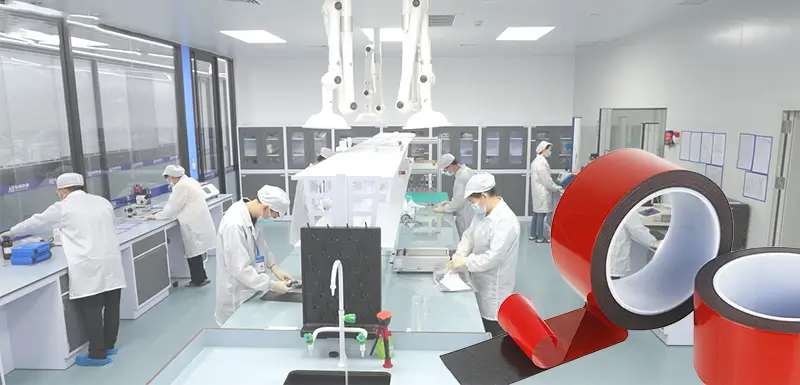
Acrylic foam tapes are subject to a variety of testing methods to ensure their performance, safety, and durability in different applications. These tests assess the quality of adhesive joints, adhesion strength, and resistance to environmental factors.
Evaluating Adhesive Joint Quality
The evaluation of tape-steel sheet joints is crucial for determining the effectiveness of adhesive bonding. Studies have utilized testing machines and ultrasonic defectoscopes to assess joint quality, ensuring that the tapes perform reliably under stress conditions. Furthermore, a range of test methods are available to evaluate the general performance of acrylic and polyurethane tapes, including tensile and elongation tests that measure strength and elasticity.
Industry Certifications: AAMA and UL Approvals
Certifications such as AAMA (American Architectural Manufacturers Association) and UL (Underwriters Laboratories) are vital for ensuring that acrylic foam tapes meet stringent industry standards. AAMA certification indicates that these tapes adhere to high-performance benchmarks, encompassing adhesion, weather resistance, and durability, making them suitable for window and door installations. Similarly, UL approval signifies that the tapes have undergone rigorous testing for safety, adding a layer of reliability to their use in various applications.
Key Test Methods and Performance Criteria
Wind load tests conducted per ASTM E330 standards assess how well panels can withstand uniform air pressure, which is essential for evaluating the performance of foam tapes in structural applications. Additionally, specific ASTM standards guide the testing of acrylic foam tapes, ensuring that they exhibit acceptable performance under various conditions, such as temperature fluctuations and exposure to moisture and UV radiation.
Key performance criteria established through testing include:
- Adhesion Strength: Ensures strong bonding across materials like aluminum, PVC, and wood.
- Durability: Guarantees longevity and resistance to wear in harsh conditions.
- Thermal Stability: Maintains performance despite temperature variations.
- Weather Resistance: Protects against moisture, UV exposure, and oxidation, contributing to long-lasting results.
The Risks of Non-Certified Products
Using non-certified foam tapes can lead to severe issues, including air and water leaks, which result in energy inefficiency and potential structural damage. Furthermore, inferior materials tend to degrade faster, necessitating frequent replacements and increasing overall costs. Therefore, selecting properly tested and certified acrylic foam tapes is crucial for ensuring optimal performance and longevity in applications.
5 FAQs about Acrylic Foam Tapes
What are typical acrylic foam tape thicknesses?
Typical acrylic foam tape thicknesses range from about 0.25 mm (0.010 in) up to around 2.3 mm (0.090 in) or more, with common thicknesses including 0.25 mm, 0.4 mm, 0.5 mm, 0.64 mm, 0.8 mm, 1.2 mm, 1.5 mm, 1.6 mm, and 2.0 mm. For example, 3M produces acrylic foam tapes in five primary thicknesses: 0.030 in (0.76 mm), 0.045 in (1.14 mm), 0.060 in (1.52 mm), 0.090 in (2.29 mm), and 0.120 in.
Which surfaces need special preparation before bonding?
Surfaces that are low surface energy, porous, heavily contaminated, oxidized, glass, certain metals, plastics with migrating components, or powder-coated require special surface preparation steps involving cleaning, abrasion, priming, or sealing before bonding with acrylic foam tape to ensure optimal adhesion.
How long does acrylic foam tape take to reach full bond strength?
It’s commonly used to replace mechanical fasteners in automotive exterior trim, appliance manufacturing, signage mounting, glass curtain wall systems, and electronics assembly. It’s suitable for bonding metals, plastics, glass, and composites where high strength and durability are required.
What temperature ranges can acrylic foam tape withstand?
It usually withstands long-term exposure to up to 200°F and short-term exposure up to 250°F without losing adhesion. It also performs well in extreme cold conditions
How to choose between 3M VHB and alternative brands?
3M VHB tapes provide highly reliable, well-supported, and premium acrylic foam tape solutions for demanding applications, while alternative brands offer competitive pricing and specialized properties that can be suitable for less extreme or cost-sensitive uses. The best choice depends on matching tape features to specific application needs, budget, and surface types.
Conclusion
Acrylic foam tape is a highly versatile and effective bonding solution, continually proving its value across critical sectors from automotive to sustainable construction. Its inherent advantages, including strong adhesion, environmental resistance, vibration dampening, and ease of application, solidify its position as a preferred choice over traditional fasteners.
As manufacturers focus on sustainable innovations and rigorous testing ensures reliability, acrylic foam tape is poised to further expand its applications, offering efficient, durable, and aesthetically pleasing solutions that meet evolving industry demands and environmental considerations. TOPKING is a professional acrylic foam tape manufacturer, if there are any needs of high quality acrylic foam tapes, welcome to contact us for more details.