
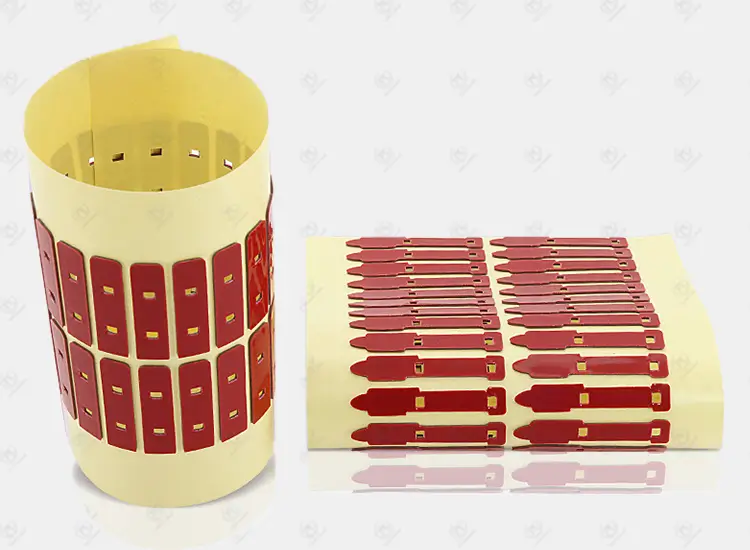
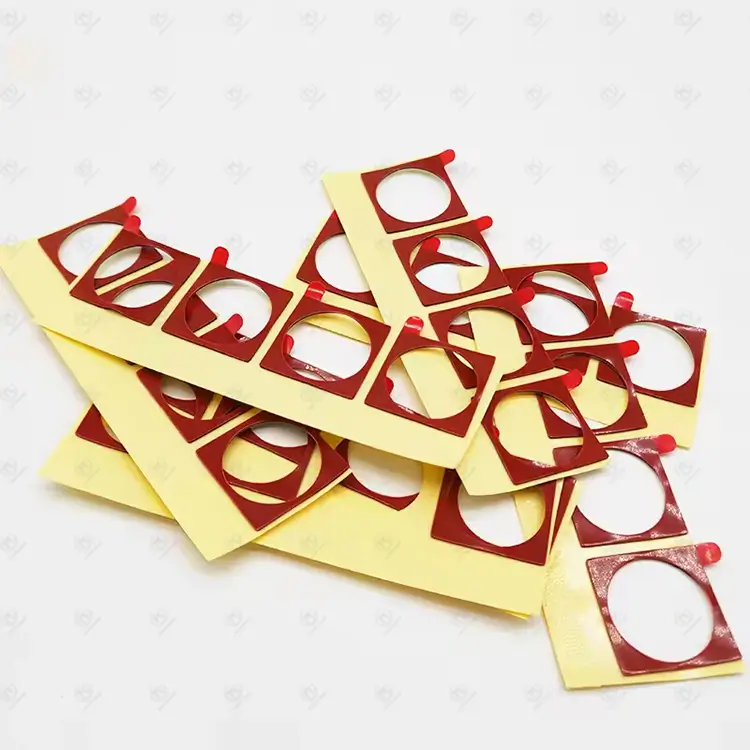
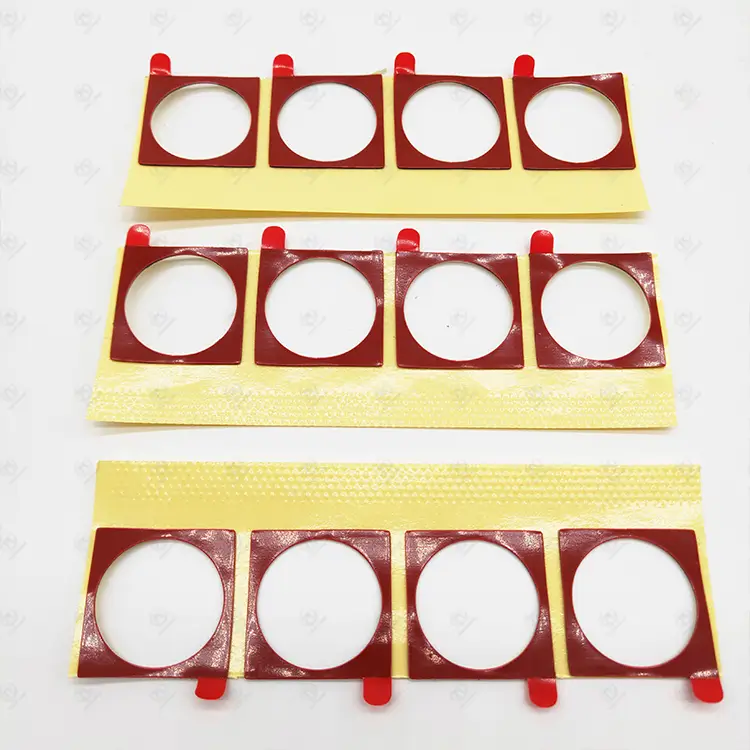

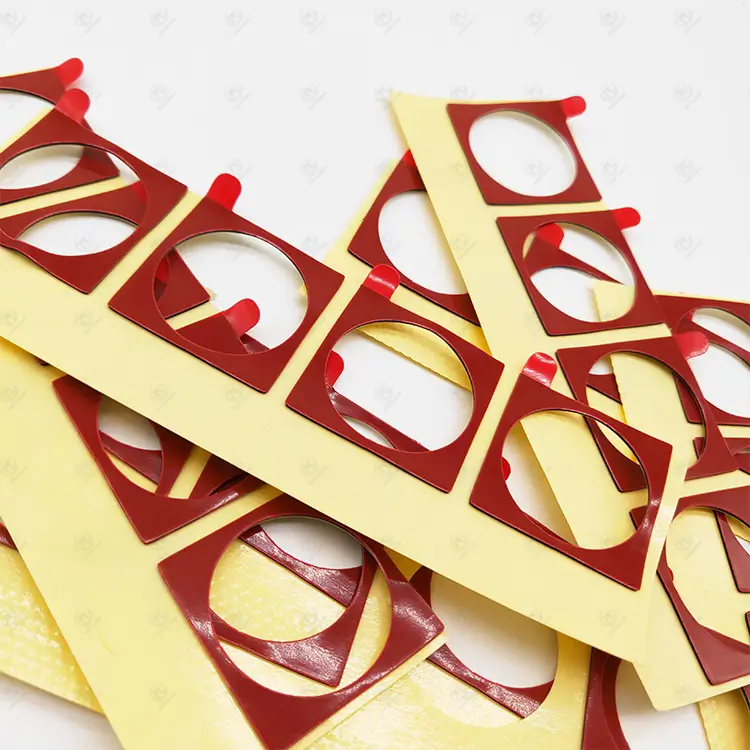
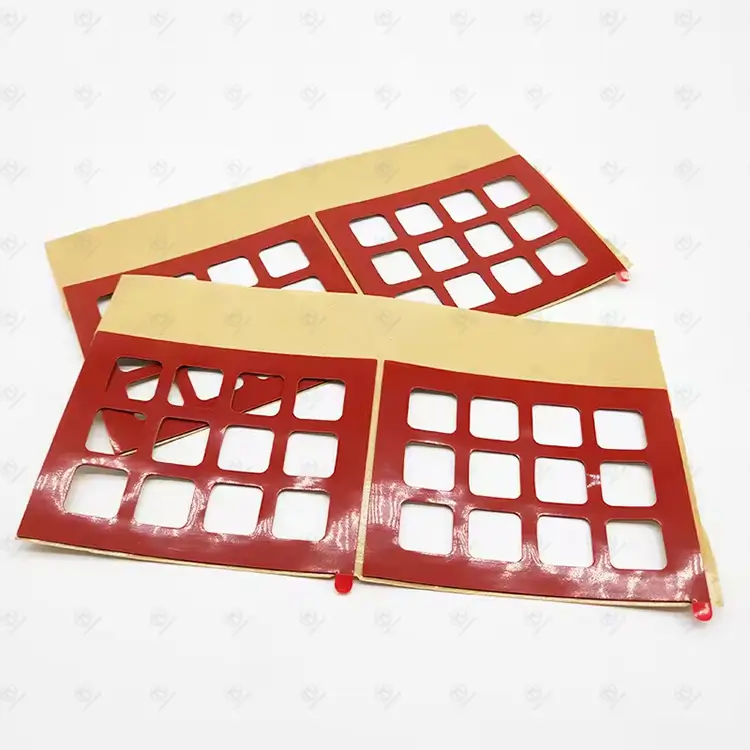
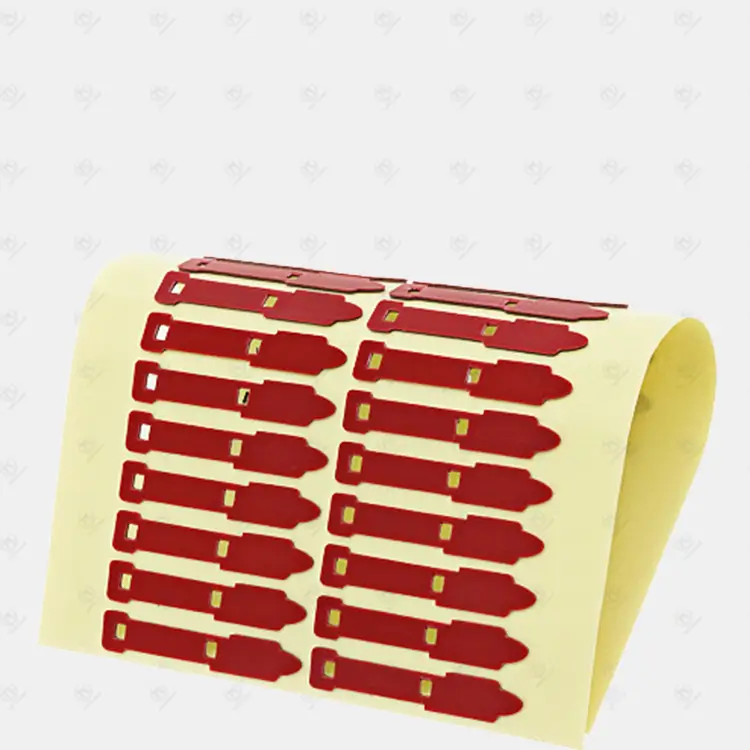
As a professional acrylic foam tapes manufacturer, we also offer precision die-cut services to tailor the tapes to your exact specifications. Whether for mounting, sealing, or bonding, these tapes deliver long-lasting performance without the mess of liquid adhesives.
Die Cutting for Acrylic Foam Tapes
The die-cutting process for acrylic foam tapes is a precision machining method used to cut the tape into custom shapes and sizes while maintaining its adhesive performance. Below is an overview of the typical die-cutting process steps, which are generally applicable to foam tapes (such as VHB types, acrylic foam tapes, PE foam tapes, EVA foam tapes, and more) and can be adjusted based on specific applications (e.g., automotive, industrial, or construction). If you are interested in buying die cut acrylic foam tapes, welcome to contact us directly!
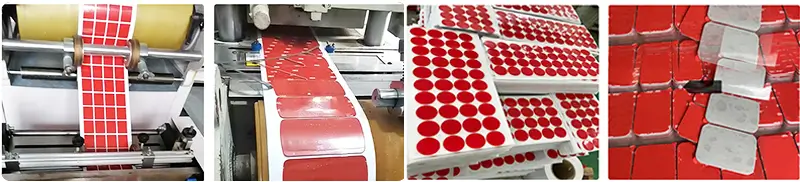
Die-Cutting Process Steps
- Material Preparation: Select appropriate acrylic foam tape rolls, including the acrylic foam core, double-sided adhesive, and release liner. Pre-slit the rolls to suitable widths to fit the die-cutting machine. Ensure the materials are clean and dust-free to avoid affecting the bonding effectiveness.
- Design and Die Creation: Use CAD software to design the required shapes (such as circles, rectangles, or complex contours). Create dies based on the design, typically using steel rule dies or rotary dies. For thick foam tapes, select dies that can handle high tolerances to prevent deformation or tearing.
- Die-Cutting Operation: Feed the tape rolls into the die-cutting machine. Common methods include:
- Kiss Cutting: Cuts only through the foam layer and adhesive without penetrating the release liner, facilitating subsequent peeling and application. This is the most common process, used for creating easy-tear labels or handles.
- Through Cutting or Die Cutting: Completely cuts through all layers, including the liner, to separate individual components. Suitable for parts requiring full separation.
- Rotary Die Cutting: Ideal for high-volume production, with fast speed and suitability for continuous rolls.
- Flatbed Die Cutting: Used for small batches or prototypes, offering high precision but slower speed. The process may include multi-layer lamination or gap die-cutting to handle complex structures.
- Waste Removal and Post-Processing: Remove the cut waste (weeding). Add perforation designs if needed for easy tearing. Inspect edges for smoothness, absence of bubbles, or cracks (acrylic foam is particularly prone to brittleness). If required, perform lamination or add tabs.
- Quality Control and Packaging: Test for adhesive strength, weather resistance, and dimensional accuracy. Roll into coils or cut into sheets, and package to prevent contamination. Finished products can be customized in thickness (0.4mm-3.0mm) and shapes.
Notes
- Challenges: Acrylic foam has high hardness (prone to burrs or cracks), requiring low-density, high-elasticity foam backing to control bubbles, along with optimized pressure and speed.
- Equipment: Commonly uses flatbed presses, rotary machines, or CNC machines, depending on batch size.
- Advantages: Die-cut tapes are easy to apply, require no drilling, suit uneven surfaces, and provide shock absorption.
If you need customized die-cutting services for specific applications or more details, feel free to visit contact us for inquiries, we can reply with a quote within 12 hours.


